
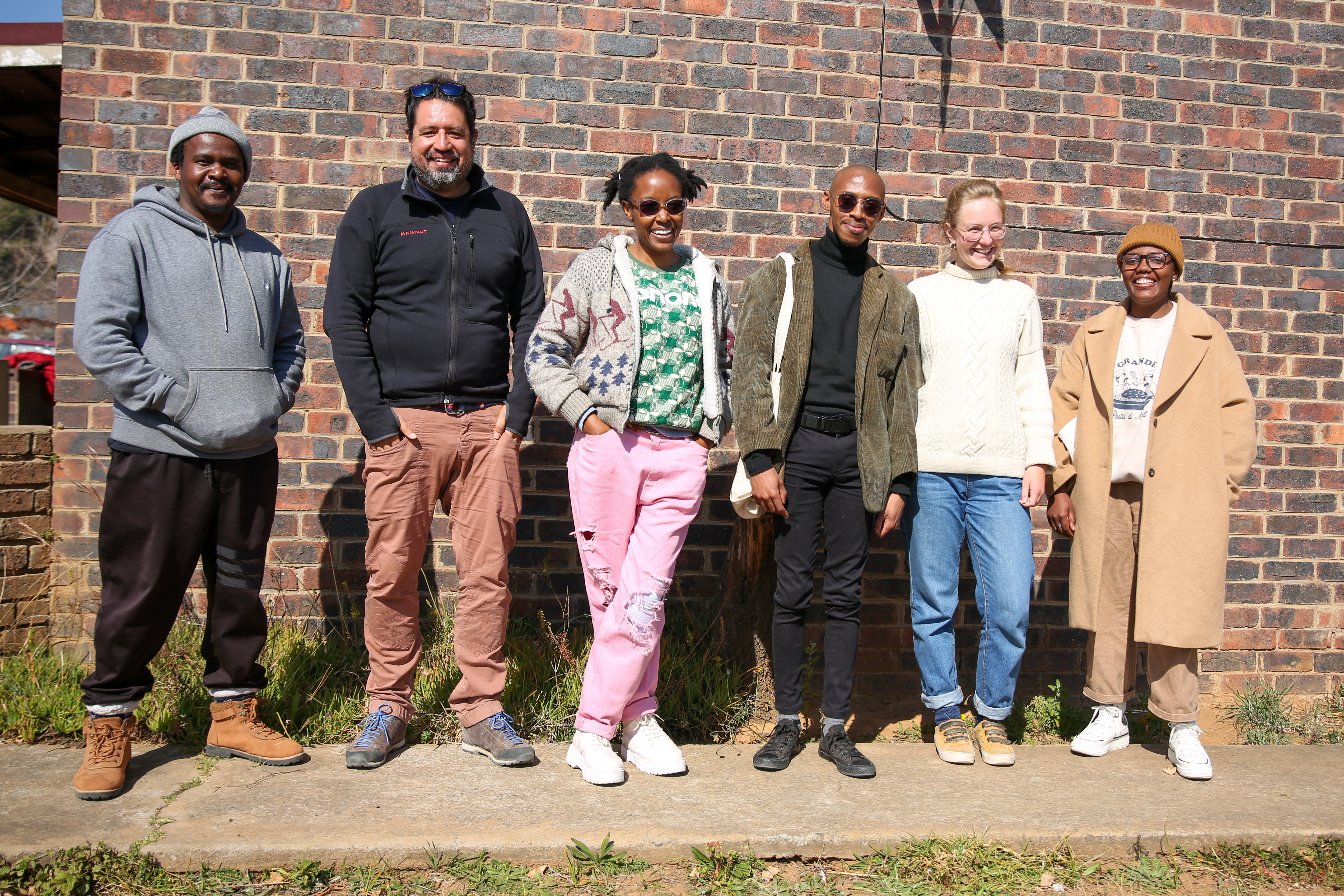
This is a bold dialogue on cultural legacies of Swiss and French missionary activity in Lesotho based on three close readings: An excerpt from Leselinyana newspaper (1898), The missionary journals of the Paris Evangelical Mission Society (1886), as well as a letter to European donors translated from Sesotho to French by a missionary based in Lesotho (1887). The panel; a pair of artists, a pair researchers, a PhD student and a Historian, reflect on their own observations, experiences and analyses and offer a sensitive intergenerational, intercultural perspective on the historiography of Lesotho’s rarely unravelled colonial past. This 2 part podcast was created as part of the ongoing research project “Moral and Economic Entrepreneurship: a Collaborative History of Global Switzerland (1800-1900). Part one introduces the project, speakers and some background regarding the source texts, while Part two is an in depth discussion about the revelations that emerge from the selected source texts.
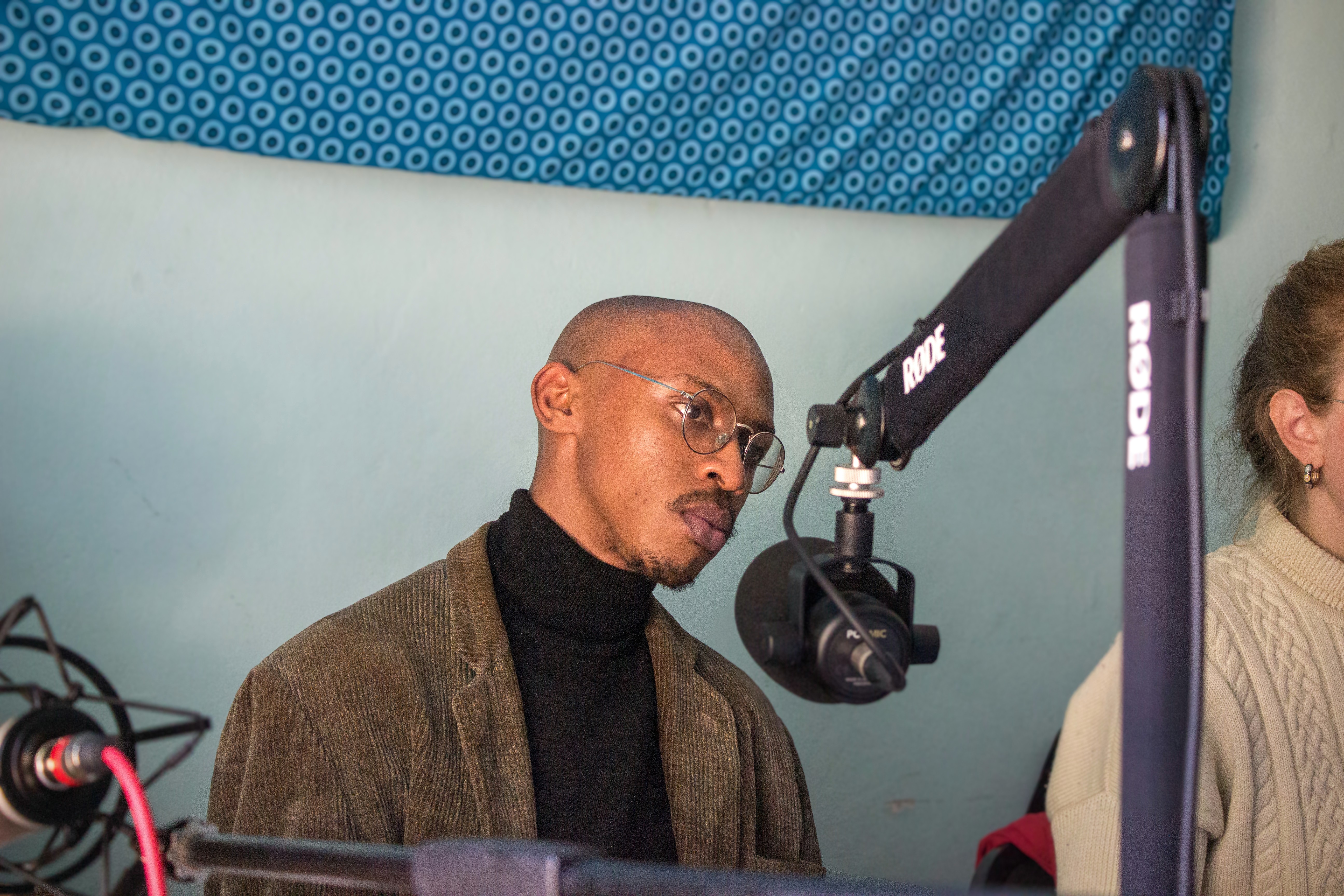
Moso Sematlane (b. 1995) is a writer and filmmaker based in Maseru, Lesotho. He has short fiction and essays published in several places online and in print. His short experimental film, Molelekoa will be released in late 2023.
Fiction:
Nat. Brut | Issue Thirteen | Moso Sematlane (natbrut.com)
Summer 2023 – The Stinging Fly
Essay: Ephemeral States In A Mall Parking Lot – Doek! (doeklitmag.com)
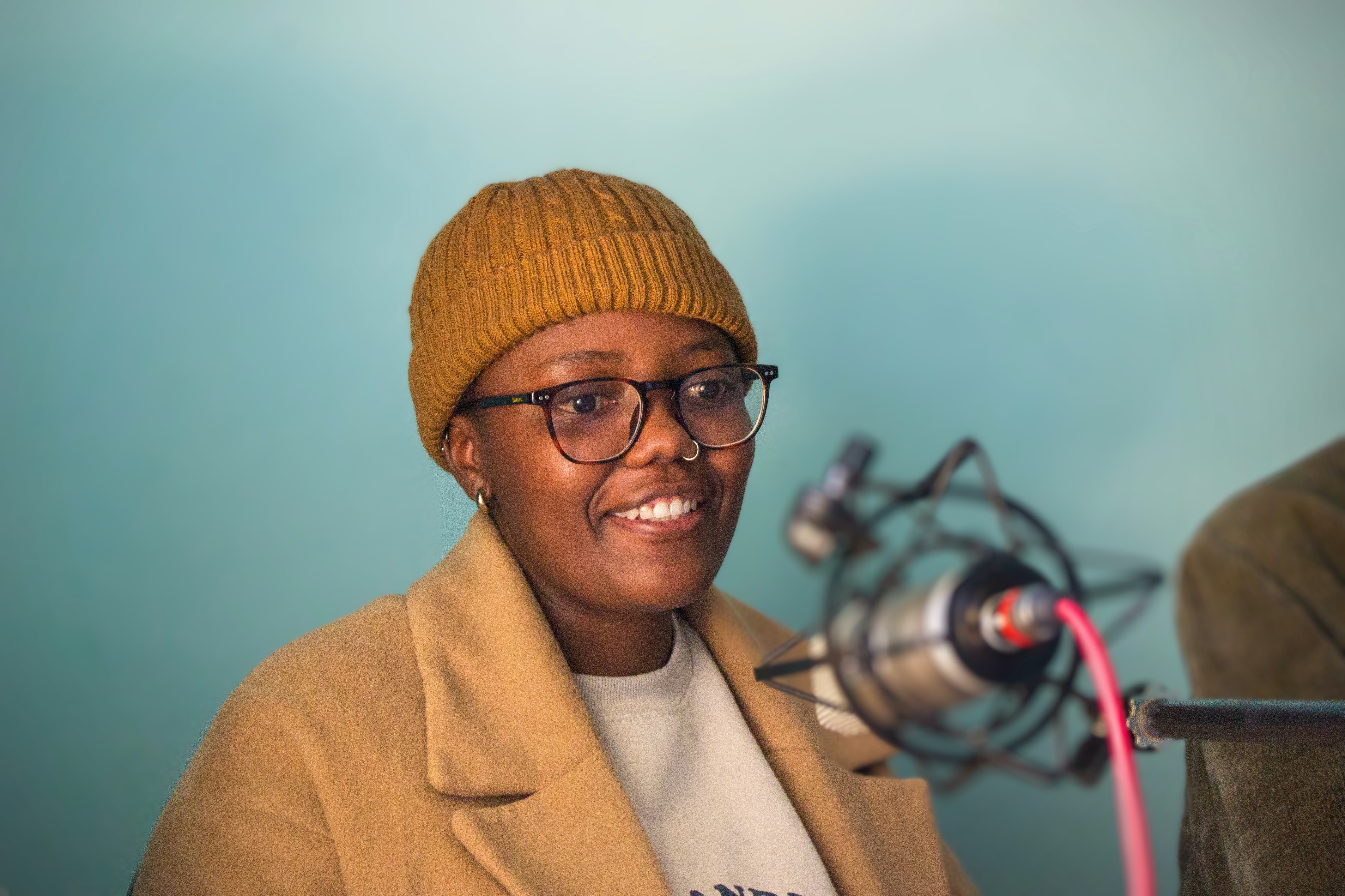
Matty Monethi (b. 1996) was born in Maseru, Lesotho and grew up in Addis Ababa, Ethiopia. She completed a Diploma in Fine Art at the Ruth Prowse School of Art in Cape Town in 2016, a semester abroad at the University of Hertfordshire in the United Kingdom, in 2017, where she specialised in printmaking. Monethi completed a BA Fine Arts at University of the Witwatersrand. Monethi uses painting, printmaking and text to explore the personal dimensions of migration and memory. Through the use of family and personal photographic archives she scrutinises her connections with her adopted countries, cultures and close relationships.
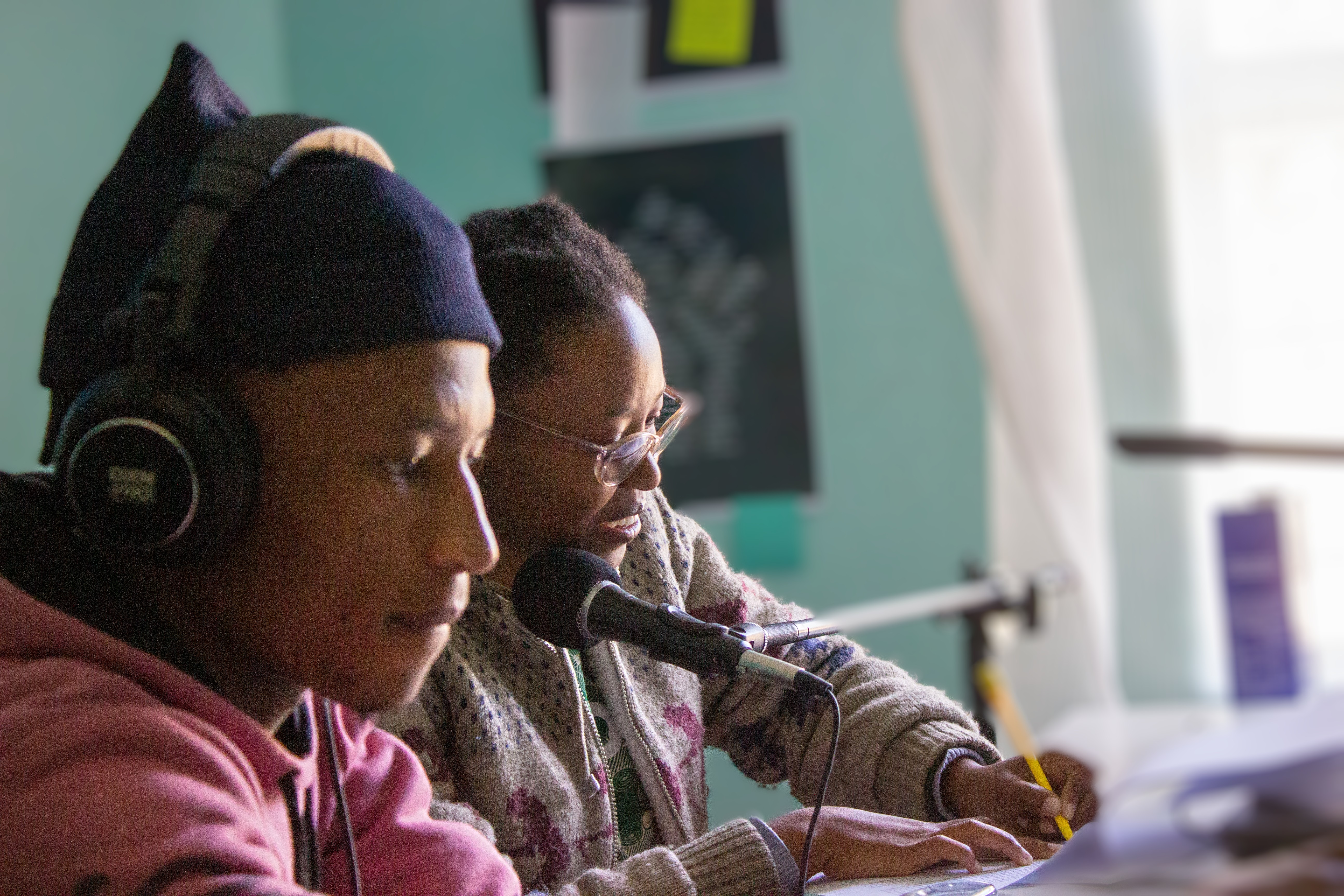
Lineo Segoete (b. 1988) is a versatile professional writer, arts research-practitioner and project manager from Lesotho. While her training is in Business and Education administration, Segoete has been practising within the cultural space for over 10 years as co-directed and co-founder of Ba re e ne re literally arts, co-convenor of Another Roadmap Africa Cluster and co-founder of Art First consultancy (ART.1.ST).
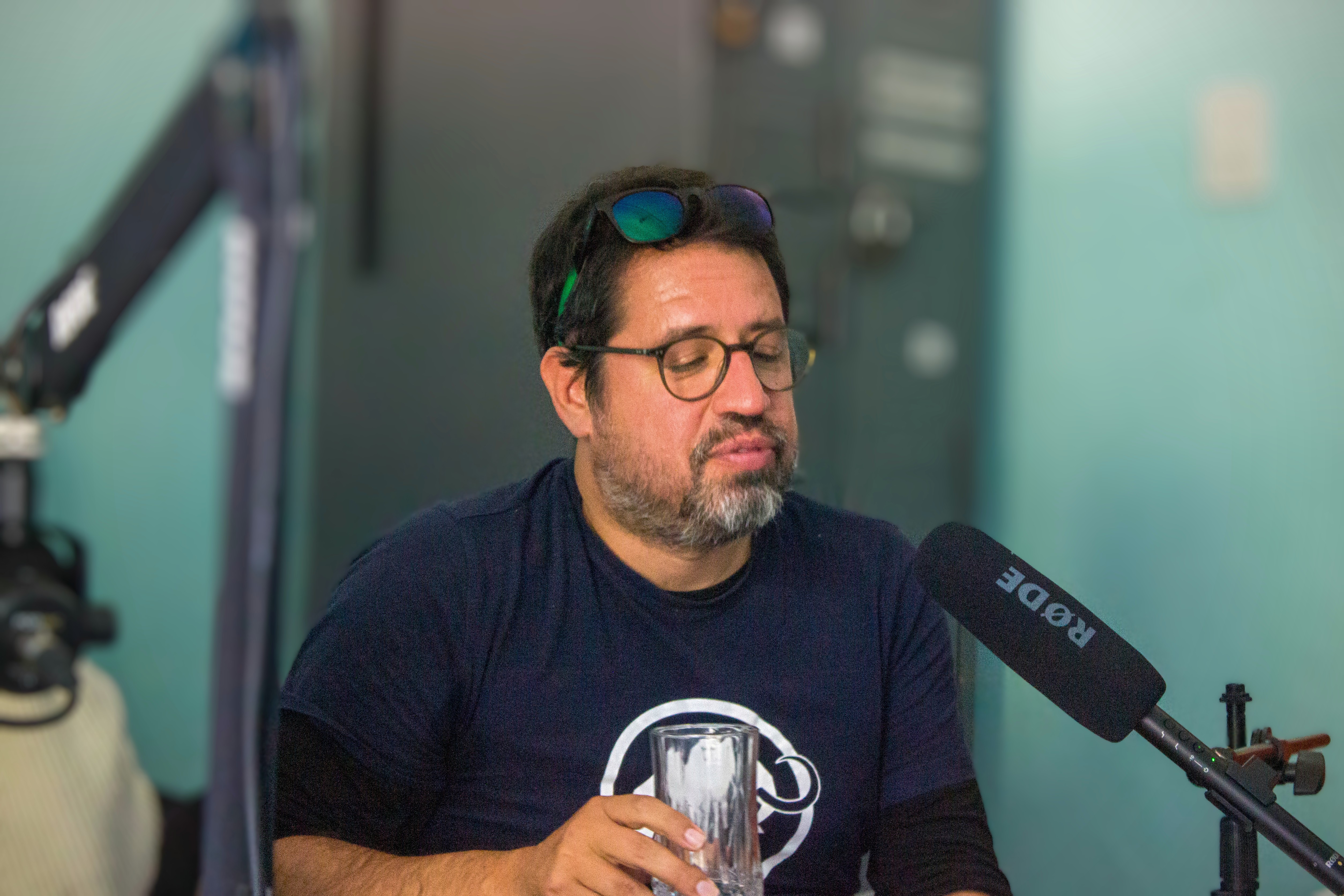
Bernhard C. Schär (b. 1975) was born into a Swiss-Peruvian family in the United States and grew up mostly in Switzerland. During his high school and university education he grew increasingly more troubled by the narrow and one-sided views in historical narratives on Switzerland and Europe. Together with researchers who had similar experiences, he launched a network on “postcolonial Switzerland” in 2006, from which numerous groundbreaking publications have since appeared. He is currently a professor at the University of Lausanne and leads an international research group working on a new, collaborative history of global Switzerland and European imperialism in the 19th century.
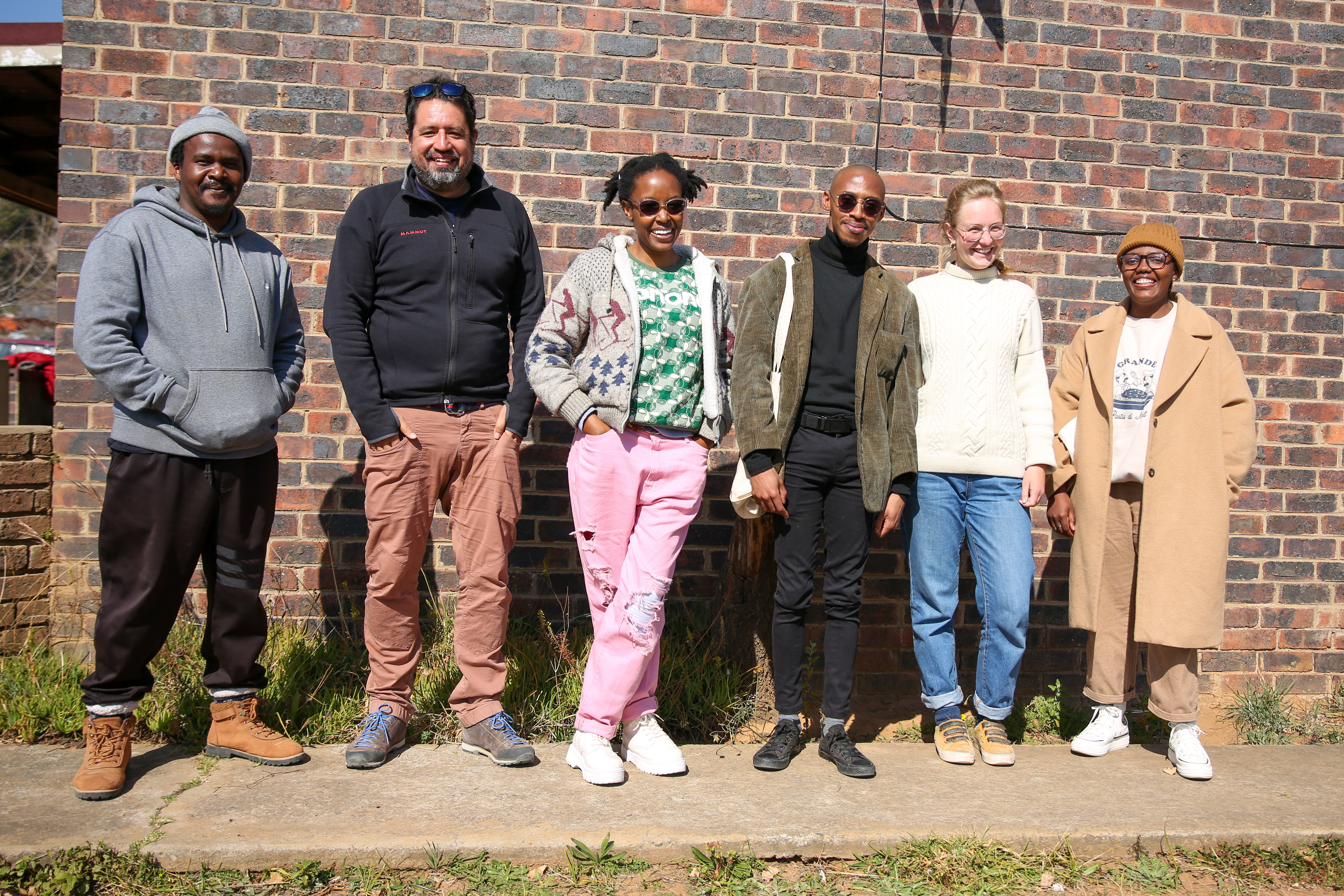
Sello Majara (b. 1988) is a visual creative designer and mixed media specialist. Using media forms ranging from graphic design, photo/videography to programming and many more. He is also the co-founder and creative director of ART.1.ST.
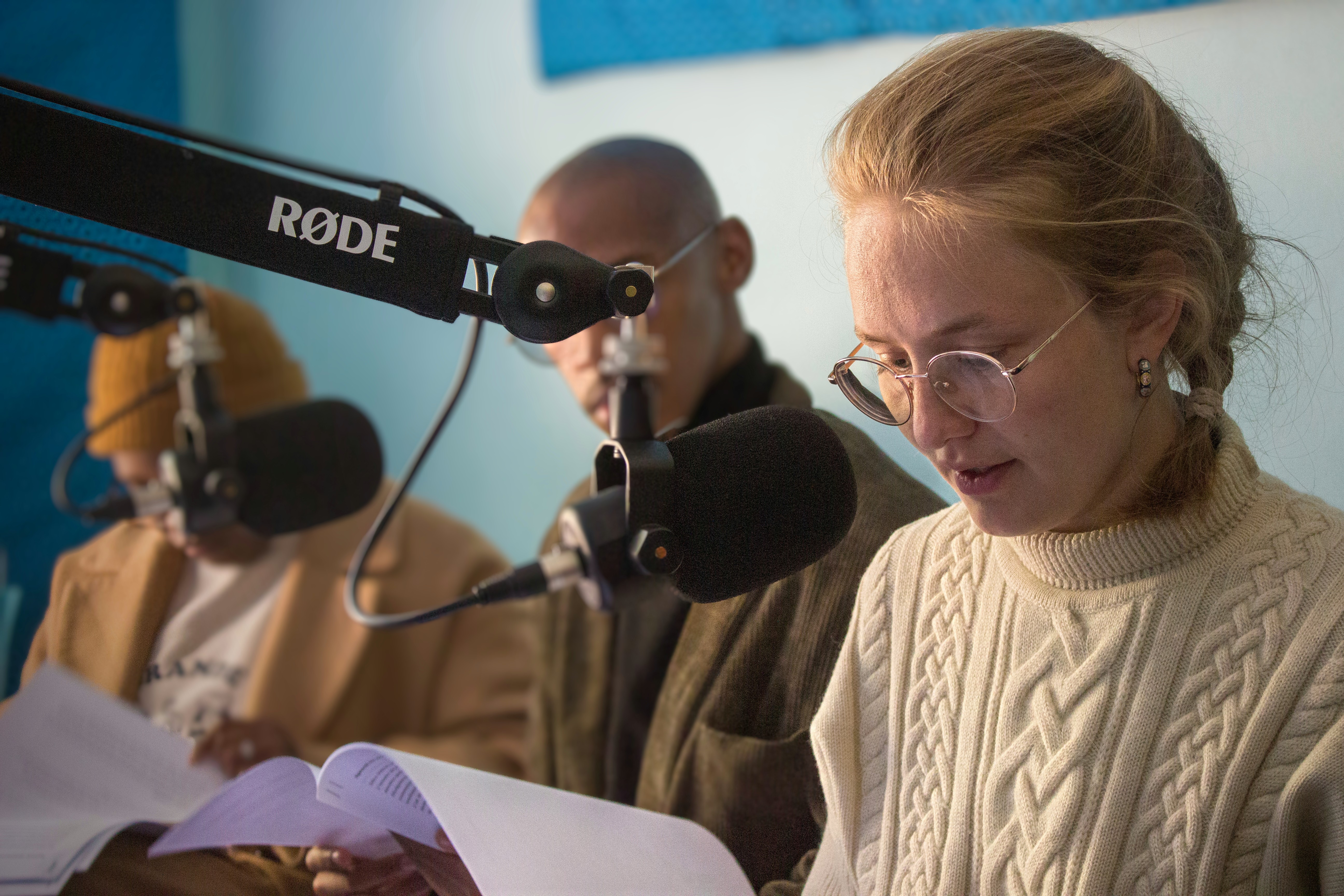
Elisabeth Beauvallet (b. 1995) is a PHD student at Paris Nanterre University. Her thesis deals with the religious imaginary of paradise in African and Afro-American culture. Thus, she studies the ambivalence of the biblical promise of a life after death as both a way for colonists to impose their moral codes and a way for natives to appropriate the biblical ethic to contest the legitimacy of colonisation. In this respect, she focuses specifically on Moeti oa Bochabela by Thomas Mofolo published in 1907 by the missionary press in Morija (Lesotho). The text was the first sub-saharan Africa novel to be published in African language by a native.

 Ba re e ne re | Arts Education